Trump Signs Executive Order That Threatens to Punish States for Passing AI Laws
Trump Signs Executive Order That Threatens to Punish States for Passing AI Laws
President Donald Trump has signed an executive order that could potentially punish states that pass…
Trump Signs Executive Order That Threatens to Punish States for Passing AI Laws
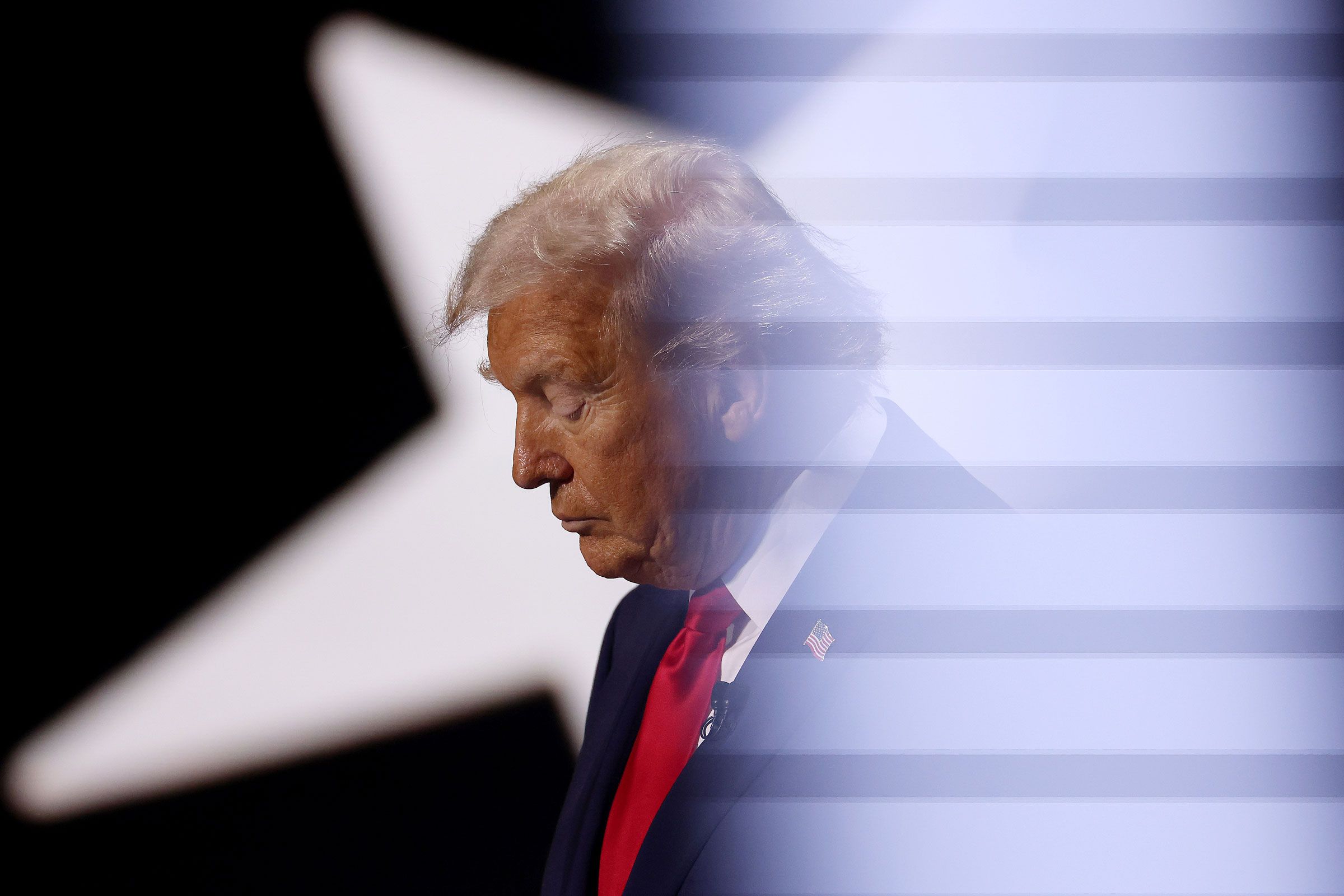
President Donald Trump has signed an executive order that could potentially punish states that pass laws regulating artificial intelligence (AI). The order comes as a response to a growing number of states considering legislation to govern the use of AI technologies.
The executive order states that any state that passes a law restricting AI development or use could face federal sanctions, including the loss of certain federal funding. This move is seen as an attempt to preempt state-level regulations that could create a patchwork of rules across the country.
Critics of the executive order argue that it infringes on states’ rights to regulate technology within their borders and could stifle innovation. They also point out that the federal government has been slow to address the potential risks and ethical concerns surrounding AI.
Supporters of the order believe that a uniform federal approach to regulating AI is necessary to ensure consistency and encourage investment in the technology. They argue that state-level regulations could hinder the United States’ ability to compete globally in the AI market.
Several states have already passed or proposed legislation addressing various aspects of AI, including data privacy, algorithm bias, and autonomous vehicles. These laws aim to protect consumers and ensure transparency and accountability in the use of AI technologies.
The debate over the appropriate level of regulation for AI is likely to continue, with the executive order adding a new dimension to the discussion. The order could lead to legal challenges from states seeking to assert their authority over technology policy.
It remains to be seen how the executive order will be implemented and enforced, and how states will respond to the threat of federal sanctions. The issue underscores the complex and evolving relationship between technology, government, and society.
As AI continues to advance and become more integrated into everyday life, the debate over how to regulate its use will only grow more urgent. It is a challenge that policymakers at both the federal and state levels must grapple with in order to protect the public interest while also fostering innovation and economic growth.