The Earth Is Nearing an Environmental Tipping Point
The Earth Is Nearing an Environmental Tipping Point
Scientists and environmental experts have been sounding the alarm about the precarious state of our planet for years now. It is…
The Earth Is Nearing an Environmental Tipping Point
Scientists and environmental experts have been sounding the alarm about the precarious state of our planet for years now. It is becoming increasingly clear that we are rapidly approaching an environmental tipping point, where irreversible damage will be done to the Earth’s ecosystems.
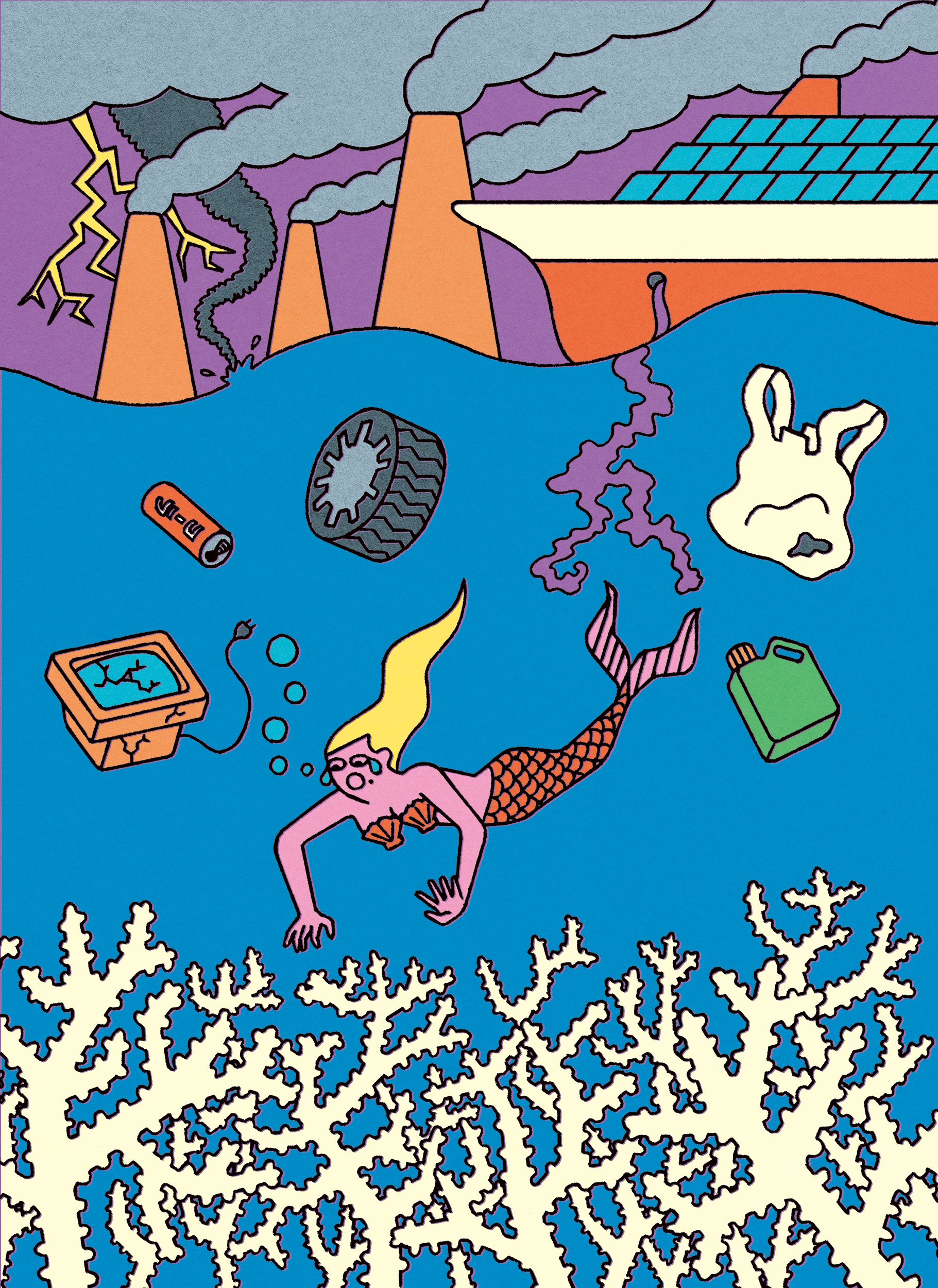
The effects of climate change, deforestation, pollution, and overconsumption are all contributing to this tipping point. The Earth’s natural systems are being pushed to their limits, and if we do not take action soon, we may reach a point of no return.
One of the most concerning issues is the rapid loss of biodiversity. Species are going extinct at an alarming rate, which has a cascading effect on the entire ecosystem. Without a diverse array of plants and animals, ecosystems become more vulnerable to collapse.
Another pressing issue is the melting of the polar ice caps and rising sea levels. This not only threatens coastal communities and wildlife, but also has the potential to disrupt global weather patterns and exacerbate extreme weather events.
It is clear that we need to take urgent and decisive action to mitigate the damage we are doing to our planet. This includes transitioning to renewable energy sources, implementing sustainable land use practices, and reducing our consumption of resources.
Individual actions can make a difference, but it will also require collective action on a global scale. Governments, businesses, and communities must come together to address the root causes of environmental degradation and work towards a more sustainable future.
If we do not act now, we may soon reach a point where the Earth’s ecosystems are irreparably damaged. The consequences of inaction are dire, but it is not too late to change course and ensure a healthy planet for future generations.